
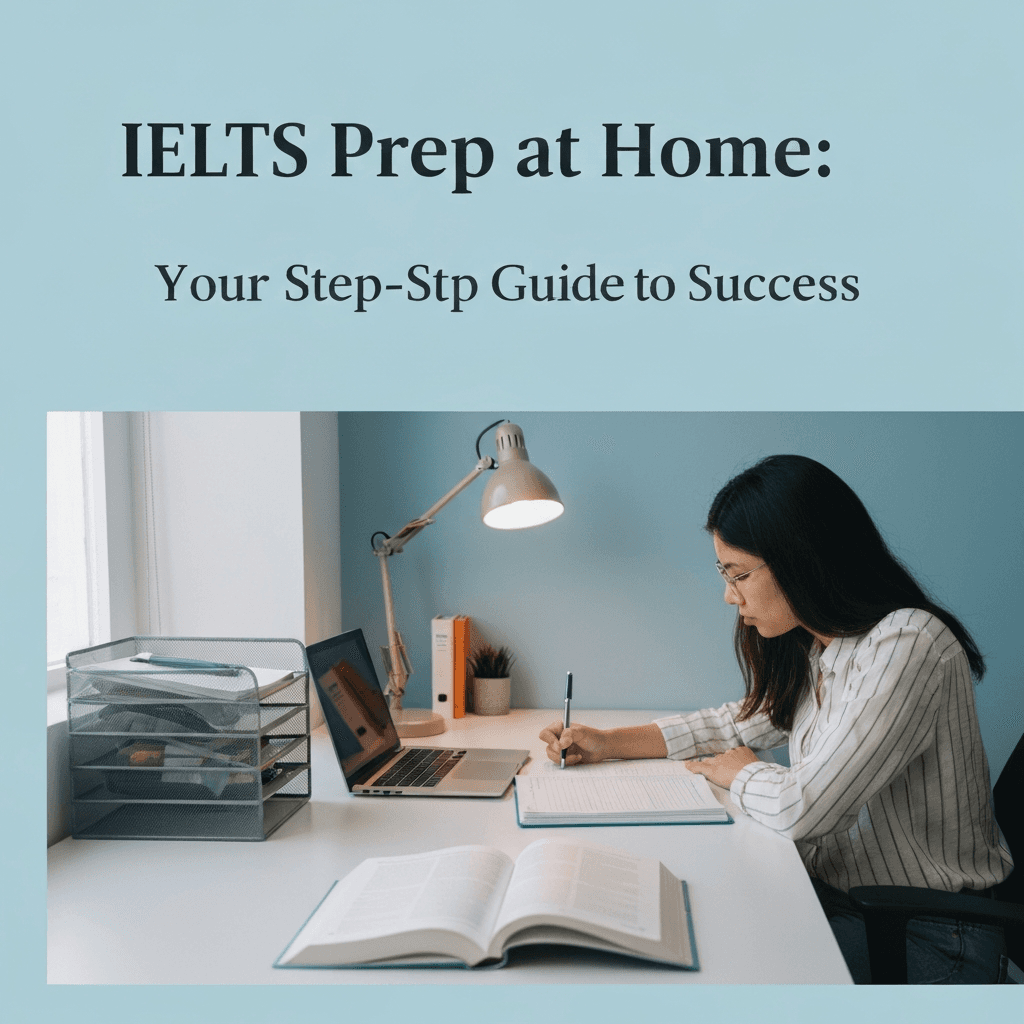
Ace Your IELTS: Effective Home Practice Strategies
Preparing for the International English Language Testing System (IELTS) exam can seem like a monumental task, especially when you're studying at home. Without the structure of a classroom, it's easy to feel lost or unmotivated. However, with the right approach and a dedicated study plan, you can effectively practice IELTS at home and significantly improve your chances of success. This guide provides a step-by-step approach to help you conquer the IELTS from the comfort of your own home.
Step 1: Understand the IELTS Exam Format
Before diving into practice, it's crucial to thoroughly understand the IELTS exam format. Familiarize yourself with each section: Listening, Reading, Writing, and Speaking. Knowing what to expect will reduce anxiety and allow you to focus your preparation effectively.
- Listening: Four sections with various accents and scenarios.
- Reading: Three long passages with different question types.
- Writing: Two tasks, including an essay and a description of a graph or chart (Academic) or a letter (General Training).
- Speaking: A face-to-face interview with an examiner, consisting of three parts.
Actionable Tip:
Download the official IELTS information booklet from the official IELTS website. This booklet provides detailed information about the exam format, question types, and scoring criteria.
Step 2: Assess Your Current English Level
Honest self-assessment is vital. Identify your strengths and weaknesses in each section of the IELTS exam. This will help you tailor your study plan to focus on areas where you need the most improvement.
How to Assess Yourself:
- Take a Practice Test: Complete a full IELTS practice test under timed conditions. There are many free practice tests available online.
- Analyze Your Results: Identify the types of questions you struggled with in each section.
- Seek Feedback: If possible, ask a qualified English teacher or IELTS tutor to review your writing and speaking performance.
Step 3: Create a Realistic Study Plan
A well-structured study plan is the foundation of effective home preparation. Allocate specific time slots for each section of the IELTS exam, and be realistic about how much time you can dedicate to studying each day or week.
Creating Your Study Plan:
- Set Goals: Define clear and achievable goals for each week or month. For example, "Improve my essay writing score by 0.5 band in one month."
- Allocate Time: Dedicate specific time slots for each section, considering your strengths and weaknesses.
- Include Variety: Mix up your study activities to keep things interesting and prevent burnout.
- Schedule Breaks: Regular breaks are essential for maintaining focus and preventing fatigue.
Step 4: Practice Listening Skills Actively
Improving your listening skills requires consistent and active practice. Don't just passively listen to English audio; engage with the material and actively try to understand the content.
Effective Listening Practice:
- Use Authentic Materials: Listen to podcasts, news broadcasts, and lectures in English.
- Take Notes: Practice taking notes while listening to improve your comprehension and recall.
- Transcribe Audio: Choose short audio clips and try to transcribe them word for word. This helps you identify areas where your listening comprehension is weak.
- Vary Accents: Expose yourself to different English accents to prepare for the variety of accents in the IELTS Listening section.
Step 5: Enhance Reading Comprehension
The IELTS Reading section requires you to quickly and accurately understand complex texts. Improving your reading comprehension involves expanding your vocabulary, practicing different reading techniques, and familiarizing yourself with various question types.
Strategies for Reading Improvement:
- Read Widely: Read articles, books, and blogs on a variety of topics to expand your vocabulary and improve your reading speed.
- Practice Skimming and Scanning: Skimming involves quickly reading a text to get the main idea, while scanning involves searching for specific information.
- Understand Question Types: Familiarize yourself with the different question types in the IELTS Reading section, such as multiple-choice, true/false/not given, and matching headings.
- Time Management: Practice reading passages under timed conditions to improve your speed and accuracy.
Step 6: Master Writing Skills
The IELTS Writing section assesses your ability to write clear, coherent, and grammatically accurate essays and reports or letters. To improve your writing skills, focus on developing your vocabulary, grammar, and essay structure.
Tips for Writing Improvement:
- Study Sample Essays: Read sample essays written by high-scoring candidates to understand the structure, vocabulary, and grammar used.
- Practice Regularly: Write essays and reports or letters on a variety of topics.
- Seek Feedback: Ask a qualified English teacher or IELTS tutor to review your writing and provide feedback.
- Learn Grammar Rules: Review grammar rules and practice using them in your writing.
- Expand Vocabulary: Learn new words and phrases and practice using them in your writing.
Step 7: Improve Speaking Fluency and Accuracy
The IELTS Speaking section assesses your ability to communicate effectively in English. To improve your speaking skills, focus on developing your fluency, pronunciation, and vocabulary.
Strategies for Speaking Practice:
- Practice with a Partner: Find a language partner and practice speaking about a variety of topics.
- Record Yourself: Record yourself speaking and listen back to identify areas for improvement.
- Use Online Resources: Utilize online resources, such as language exchange websites and apps, to practice speaking with native English speakers.
- Focus on Pronunciation: Practice your pronunciation and intonation to improve your clarity and confidence.
- Learn Idioms and Phrases: Learn common English idioms and phrases to make your speaking more natural and fluent.
Step 8: Utilize Online Resources and Mock Tests
The internet offers a wealth of resources for IELTS preparation. Take advantage of online practice tests, tutorials, and forums to supplement your home study.
Recommended Online Resources:
- Official IELTS Website: The official IELTS website offers a variety of resources, including practice tests, sample questions, and information about the exam format.
- IELTS Preparation Websites: Many websites offer free and paid IELTS preparation materials, including practice tests, tutorials, and forums.
- Language Exchange Websites: Language exchange websites allow you to connect with native English speakers for language practice.
Step 9: Stay Motivated and Consistent
Maintaining motivation and consistency is crucial for success. Studying for the IELTS can be challenging, so it's important to stay focused and committed to your goals. Reward yourself for achieving milestones and celebrate your progress along the way.
Tips for Staying Motivated:
- Set Realistic Goals: Set achievable goals and track your progress.
- Reward Yourself: Reward yourself for achieving milestones.
- Find a Study Buddy: Study with a friend or classmate to stay motivated and accountable.
- Take Breaks: Regular breaks are essential for preventing burnout.
- Visualize Success: Visualize yourself achieving your desired IELTS score.
Step 10: Review and Refine Your Strategy
Regularly review your progress and adjust your study plan as needed. Identify areas where you're struggling and focus your efforts on improving those areas. Don't be afraid to experiment with different study techniques and find what works best for you.
By following these steps and dedicating yourself to consistent practice, you can effectively prepare for the IELTS exam at home and achieve your desired score. Good luck!