
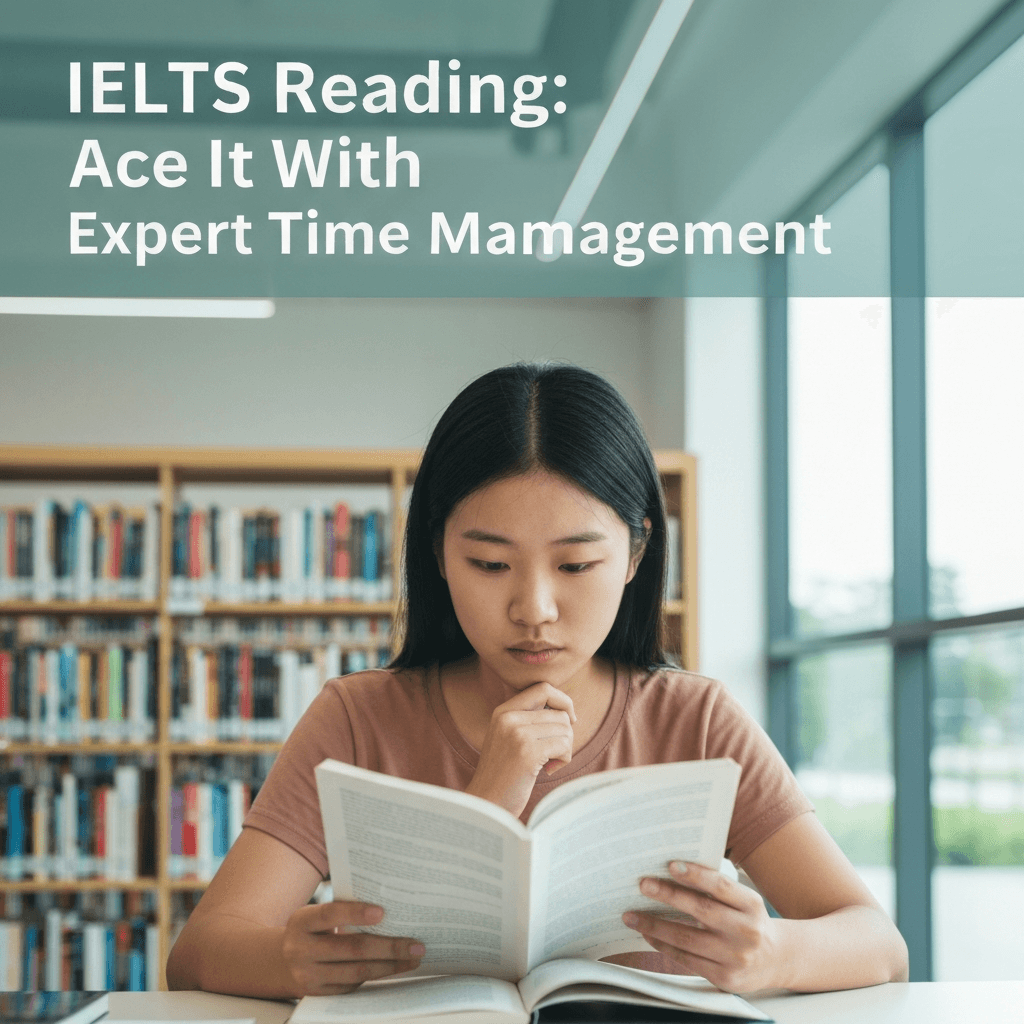
IELTS Reading: Conquer the Clock and Ace the Test
The IELTS Reading section can feel like a race against time. Many test-takers, even those with strong English skills, struggle to complete all three passages and answer the questions accurately within the allotted 60 minutes. But fear not! Effective time management is the key to unlocking your potential and achieving a high score. This guide will provide you with proven strategies, focusing on what examiners look for and how to optimize your approach.
Understanding Examiner Expectations
Before diving into specific techniques, it's crucial to understand what IELTS examiners are evaluating. They're not just looking for correct answers; they're assessing your ability to:
- Skim and Scan: Quickly identify the main ideas and locate specific information within a text.
- Understand Complex Language: Comprehend a range of vocabulary, grammar, and writing styles.
- Follow Instructions Carefully: Accurately interpret the questions and provide answers that meet the requirements.
- Manage Time Effectively: Allocate your time wisely to complete all tasks within the given timeframe.
Examiners are aware that test-takers are under pressure, so they design the test to assess your ability to perform efficiently under these conditions. They want to see that you can prioritize tasks, make informed decisions about which questions to tackle first, and avoid getting bogged down on difficult questions.
Why Time Management Matters
Poor time management can lead to several negative consequences:
- Incomplete Sections: Rushing through the final passage or leaving questions unanswered.
- Careless Mistakes: Making errors due to haste and lack of attention to detail.
- Increased Stress: Feeling overwhelmed and anxious, which can impair your performance.
By mastering time management, you can minimize these risks and maximize your chances of success.
Proven Time Management Techniques for IELTS Reading
Here are some practical strategies to help you conquer the clock:
1. The 20-Minute Rule
Allocate approximately 20 minutes for each of the three reading passages. This gives you a clear target to aim for and helps you stay on track. Set a timer for 20 minutes per passage. When the timer goes off, move on to the next passage, even if you haven't finished all the questions. You can always return to the previous passage if you have time at the end.
2. Prioritize Question Types
Not all question types are created equal. Some are easier and faster to answer than others. Start with the questions that you find less challenging. For example, questions that require you to match headings to paragraphs or identify factual information are often easier to answer quickly. Leave the more time-consuming questions, such as summary completion or multiple-choice questions with lengthy options, for later.
3. Skim and Scan Strategically
Don't try to read every word of the passage. Instead, skim the passage to get a general understanding of the main ideas and then scan for specific information related to the questions. Look for keywords, dates, names, and other details that can help you locate the answers quickly.
4. Identify Keywords in Questions
Before reading the passage, carefully read the questions and identify the keywords. This will help you focus your attention on the relevant parts of the text and avoid wasting time on irrelevant information. For example, if a question asks about the "environmental impact of deforestation," keywords like "environmental impact" and "deforestation" will guide your search.
5. Practice, Practice, Practice
The more you practice, the better you'll become at managing your time. Use practice tests to simulate the actual exam conditions and experiment with different strategies to find what works best for you. Time yourself during practice sessions and track your progress. Analyze your mistakes and identify areas where you need to improve.
6. Don't Dwell on Difficult Questions
If you encounter a question that you're struggling with, don't waste too much time on it. Make an educated guess and move on. You can always return to the question later if you have time. It's better to answer all the easier questions correctly than to spend too much time on a difficult question and run out of time.
7. Guessing Strategies
If you're running out of time and have unanswered questions, don't leave them blank. Make an educated guess. Even if you're not sure of the answer, you have a chance of getting it right. Eliminate any obviously incorrect options and choose the most likely answer from the remaining ones.
8. Simulated Exam Conditions
When practicing, create simulated exam conditions. Find a quiet place where you won't be disturbed, set a timer for 60 minutes, and complete a full reading test. This will help you get used to the pressure of the exam and develop your time management skills.
Aligning Your Strategies With Examiner Expectations
Remember, examiners are looking for evidence that you can efficiently extract information from the text. By incorporating these time management techniques, you demonstrate your ability to:
- Prioritize Information: Focus on the most relevant details to answer questions quickly.
- Adapt to Time Constraints: Make strategic decisions about which questions to tackle first and when to move on.
- Maintain Accuracy Under Pressure: Avoid careless mistakes by staying calm and focused.
Conclusion
Mastering time management is essential for success in the IELTS Reading section. By understanding examiner expectations and implementing these proven techniques, you can improve your efficiency, reduce stress, and achieve a higher score. Remember to practice regularly, analyze your mistakes, and adapt your strategies to suit your individual learning style. With dedication and the right approach, you can conquer the clock and ace the IELTS Reading test!